
Building a custom home is one of the most exciting decisions a family can make. You finally get to design a space that fits your life — not the other way around. But once the floor plans and Pinterest boards start coming together, the big question follows quickly:
What is this really going to cost?
In Houston, the answer depends on more than just square footage. Finishes, engineering needs, the shape of the design, and even the condition of the lot can change the budget dramatically. And if the property sits in a flood-risk area — as many do here — site work and drainage can become a major part of the project.
After years of building in and around Houston, we’ve learned exactly where homeowners tend to underestimate costs — and how to plan for them early so there are no surprises along the way. Below, we’ll break down what’s typically included in a build budget, what isn’t, and where the real numbers come from — so you can move forward with clarity and confidence.
Where the Numbers Start: Cost-Per-Square-Foot
When people ask, “What’s the cost to build a home?” most builders will give a per-square-foot range. It’s a helpful starting point, but only if you understand what that number actually includes.
Cost-per-square-foot generally covers:
The structure — foundation, framing, roof
Mechanical systems — plumbing, HVAC, electrical
Insulation, drywall, and essential finishes
Builder-grade or mid-range selections (depending on your contractor)
For many Houston-area custom homes, that range can vary quite a bit based on
design complexity, finish level, and current material pricing.
But here’s where expectations often drift:
Cost-per-square-foot does not usually include several major budget items —
and those can add 10–30% to the total project if not planned for early.
Those “outside the number” items often include:
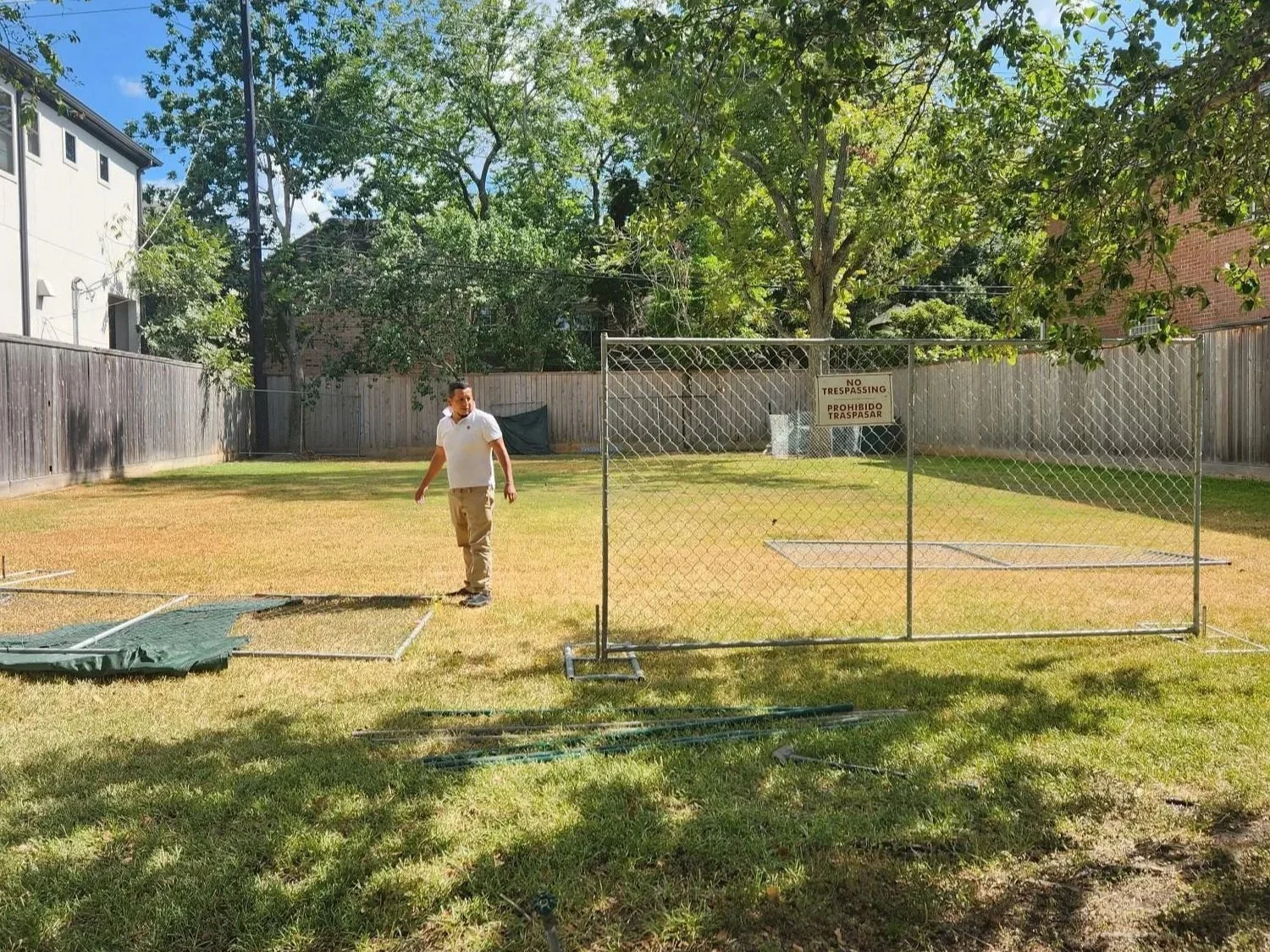
Lot work — clearing, grading, drainage, tree removal
Flood-zone requirements — elevation, engineering, foundation modifications
Permits and surveys — city approvals, utility coordination
Flatwork & outdoor areas — driveways, patios, walkways
Landscaping — irrigation, sod, plantings, lighting
Appliances and luxury upgrades — custom cabinetry, stone, designer fixtures
So while the per-square-foot rate gives a base build cost, a complete home budget should also account for:
The land you’re building on
The conditions of that land
The level of finishes you choose
That’s why two homes with the same square footage can end up looking very different on the budget sheet.
What Really Drives the Budget in Houston
Every home has a price per square foot — but in Houston, certain conditions and design decisions are what push that number up or down. These are the factors we see making the biggest impact:
1. Flood-zone engineering and drainage
Houston soil holds water, and floodplain rules are no joke.
If your lot needs:
- Elevation
- Additional grading
- Underground drainage
- Retaining walls or soil stabilization
...the project cost shifts significantly before the foundation is even poured.
A home that sits just a little higher — or on a trickier lot — can carry tens of thousands in site-work adjustments.
2. Architectural complexity
More corners, rooflines, vaulted ceilings, and wall-to-wall windows make a home beautiful — but they also make it more labor-intensive to build.
A simple rectangle? Efficient.
A custom layout with dramatic structure? Worth it — but pricier.
3. Level of finishes
This is where homeowners have the most control. Cabinetry, countertops, tile, plumbing fixtures, and lighting all vary from:
- Builder-grade
- Quality mid-range
- Full luxury custom
Upgrades happen room by room — and each choice has a ripple effect on the overall budget.
4. Size vs. layout efficiency
More square footage does mean more dollars — but design efficiency matters just as much.
Two homes with the same square footage can look wildly different on cost if one has:
- Extra bathrooms
- Complex room shapes
- More exterior walls
- Additional structural support requirements
It’s not only how big — but how the space is used.
5. Market conditions and labor availability
Material pricing and subcontractor demand fluctuate.
Costs that were stable last year may creep up as trades become busier or supply shifts.
The longer a project is paused for decisions, selections, or financing… the more likely price changes become.
Real Budget Examples From Our Builds
To show how design and layout affect cost, here are two homes we’ve built — both 4,300 sq. ft. and both high-end custom:
🚩 Home A — 4,300 sq ft · 5 Bedrooms · 5.5 Baths · Traditional Two-Story
This plan stacks living spaces vertically — which keeps the foundation and roof smaller relative to the square footage.
Fewer exterior walls for the size
More compact roof structure
Bathrooms split across both floors
Cost impact:
Even with more plumbing and finishes, this layout is more budget-efficient, because the structure uses less footprint to achieve the same square footage.
🚩 Home B — 4,300 sq ft · 4 Bedrooms · 3.5 Baths · Mostly One-Story Luxury Layout
On paper, it looks like it should cost less — fewer bathrooms, fewer plumbing points.
But a ground-hugging plan changes the math:
Larger foundation
Larger roof surface
More exterior walls
Wide, open spans with high ceilings
And importantly — more non-conditioned space, including:
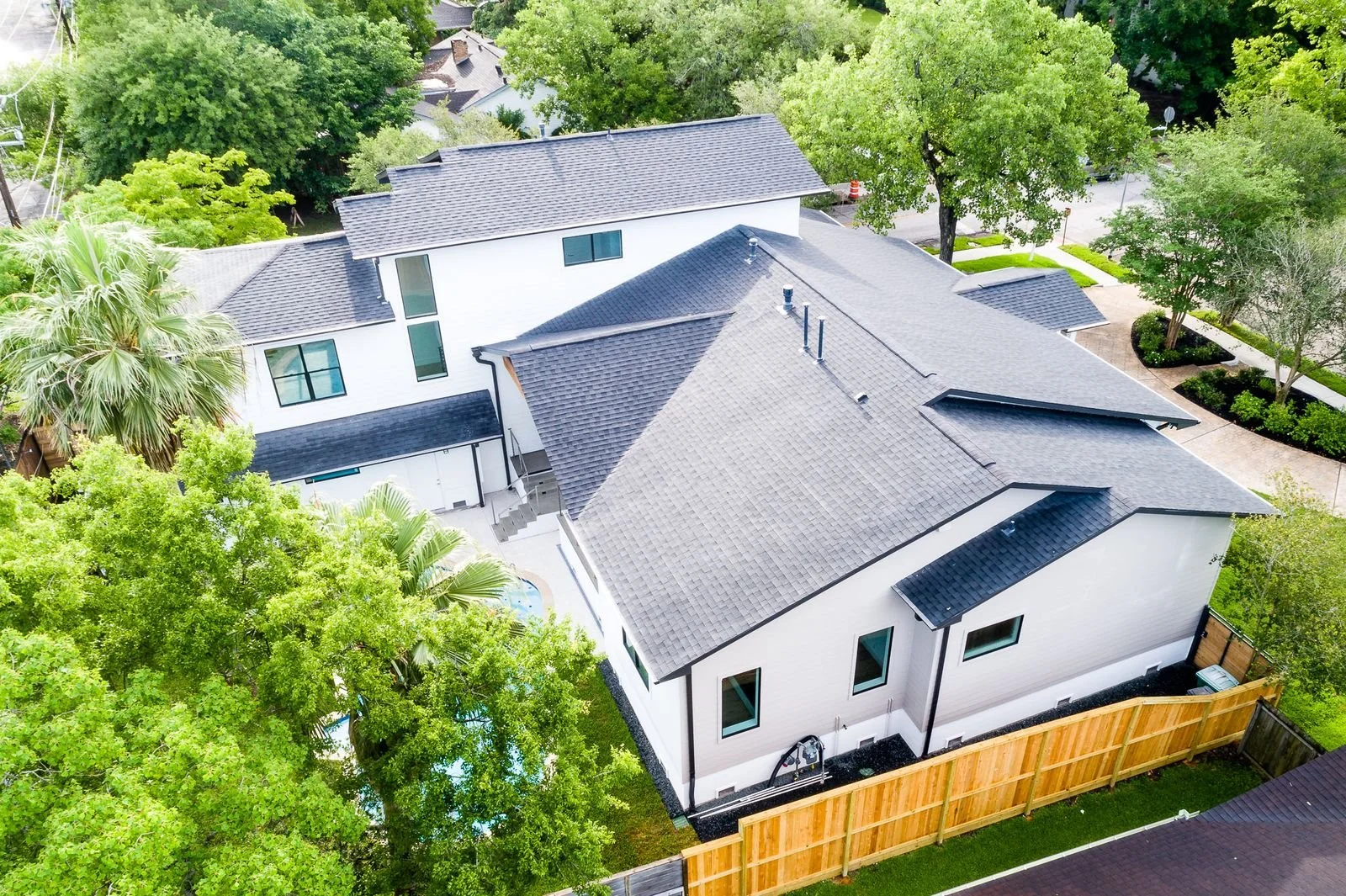
A three-car garage
One covered patio
One uncovered patio above the garage
Even though these areas aren’t counted in the home’s “conditioned square footage,” they absolutely add to construction cost — concrete, framing, roofing, railings, lighting, electrical, and finish details.
Cost impact:
Same conditioned square footage — very different build investment. The footprint, outdoor spaces, and volume of the home drive cost higher than the two-story example.
The lesson?
A home’s price isn’t just interior square footage. Every built space — conditioned or not — affects the budget, and so do site improvements like patios, driveways, and drainage.
That’s why we don’t start with a cost-per-square-foot number.
We start with your design, your lot, and your priorities — that’s where the real cost lives.
So… What Should You Actually Budget?
Based on the high-end custom homes we build in and around Houston, most clients can expect a starting point of approximately:
$200–$250+ per sq. ft. for the conditioned interior
(base build cost with elevated finishes)
From there, the total investment varies depending on the site, the design, and the spaces outside of the heated square footage.
Here’s a realistic breakdown of what’s included in a complete Houston custom home budget:
| Budget Component | What It Covers | Typical Range |
|---|---|---|
| Conditioned Living Space | Structure, framing, mechanicals, high-end finishes | $200–$250+ / sq. ft. |
| Outdoor & Non-Conditioned Areas | Patios, garages, balconies, exterior finishes | Add separately |
| Site & Drainage Work | Lot prep, flood-zone engineering, grading | $25K–$100K+ |
| Permits, Engineering, Surveying | City approvals, structural & elevation documents | $10K–$40K+ |
| Contingency | Changes, upgrades, timing shifts | 10–20% of total |
Based on recent high-end custom homes we’ve built in the Houston area. Your specific design and lot conditions will determine the exact investment.
So for a high-end custom home around 4,300 sq. ft. (like the examples above), a realistic all-in build budget often lands in the range of:
$1M–$1.3M+ for home, including exterior work
(land cost separate)
Homes with larger footprints, more outdoor living, higher ceilings, or flood-zone engineering naturally move toward the upper end of that range and beyond.
How We Help You Stay in Control
Our goal is zero surprises. Before drawings are finalized, we walk you through:
Allowances for all finishes so you can choose confidently
Lot-specific considerations: flood zone, drainage, elevation
A detailed breakdown of conditioned vs. non-conditioned square footage
A smart contingency plan built in from day one
We don’t guess — we price your design and your lot, not a generic square-foot number.
With a clear budget, you can focus on the home you’re creating — not the stress that comes with uncertainty.